Get Swale Installation
Swale installation services help property owners manage drainage, prevent flooding, and improve landscape stability through expert design and construction of drainage swales and similar features.
Swale installation is an important consideration for property owners looking to improve drainage and manage water flow effectively. Whether planning a new landscape project or addressing existing water management concerns, exploring local contractor options can help identify practical solutions tailored to the specific needs of the area. By comparing services offered by nearby specialists, property owners can find experienced providers equipped to handle the complexities of swale design, installation, and maintenance.
Understanding the range of available services can assist in making informed decisions about water management improvements. Local contractors often have valuable insight into the area's unique soil conditions and rainfall patterns, making them well-suited to deliver effective results. Continuing to explore the options can help property owners select the right professionals to support their project goals and ensure the work aligns with local regulations and site conditions.
- Swale Installation - homeowners needing to improve drainage around their property due to persistent water pooling.
- Drainage System Upgrades - property owners looking to enhance existing swale systems for better water management.
- Landscape Drainage Solutions - gardeners and landscapers requiring effective water diversion methods to protect plantings.
- Erosion Control Swales - land developers seeking to prevent soil erosion on slopes and construction sites.
- Rainwater Management - residents interested in directing stormwater runoff away from foundations and walkways.
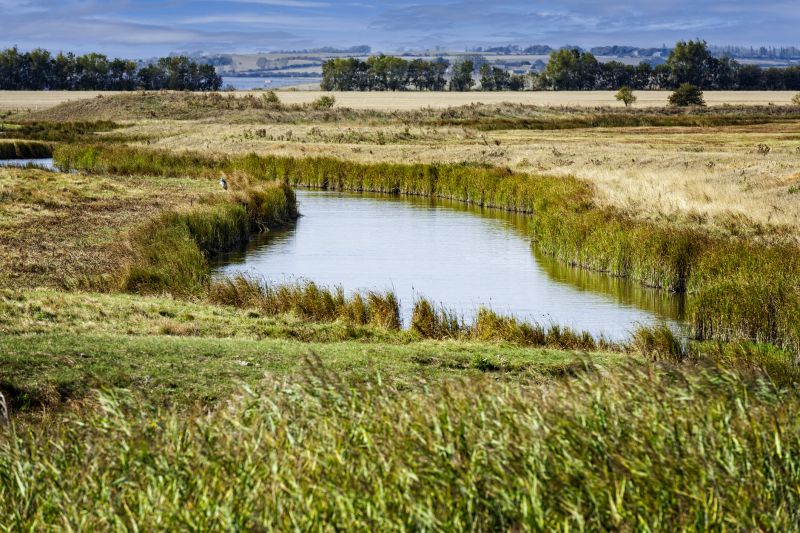
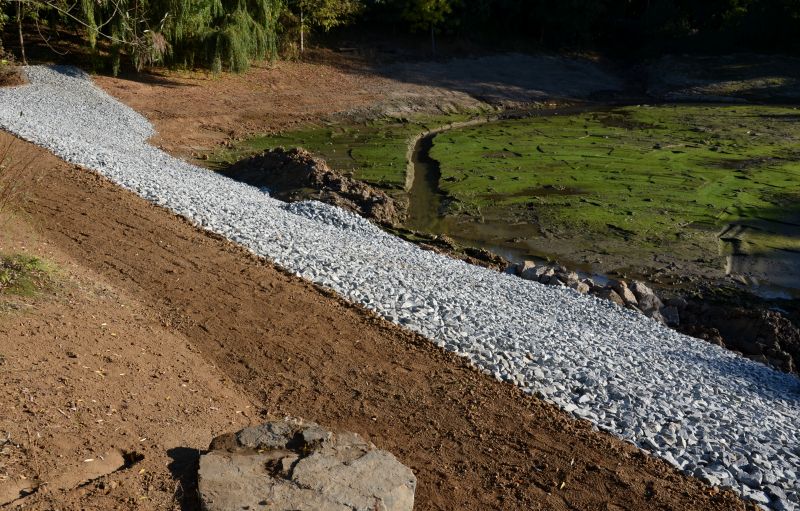
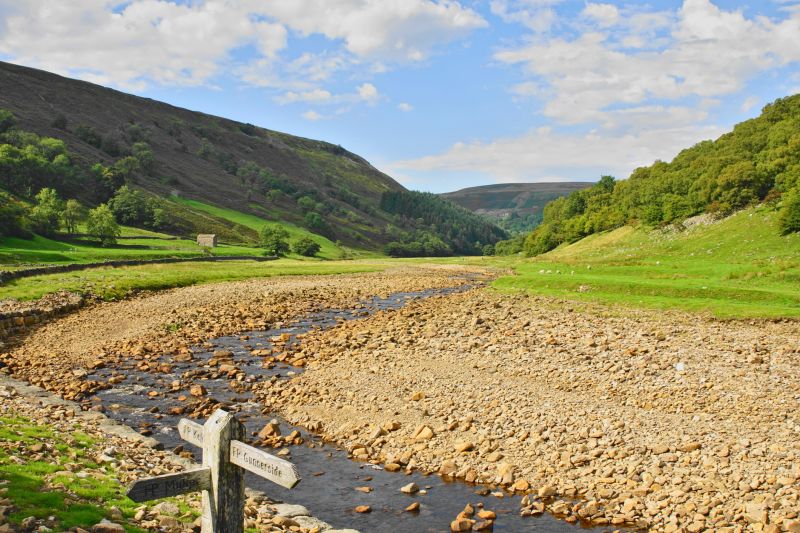
Swale installation services involve the construction and shaping of a shallow, vegetated embankment designed to manage water flow across residential or commercial properties. These features are typically built to direct excess rainwater away from foundations, prevent soil erosion, and improve drainage in areas prone to water accumulation. Skilled contractors use a combination of earthworks, grading, and planting to create a natural barrier that blends seamlessly into the landscape while effectively controlling water movement. This service is essential for maintaining the stability of a property’s terrain and ensuring proper water management during heavy rainfall.
Many property owners turn to swale installation to address common drainage problems that can lead to property damage or landscape deterioration. Poor drainage often results in standing water, which can cause foundation issues, promote the growth of mold, or damage lawns and gardens. Swales help mitigate these issues by channeling water away from vulnerable areas and dispersing it gradually across the landscape. By installing a properly designed swale, homeowners can reduce the risk of flooding, soil erosion, and water pooling, creating a safer and more stable outdoor environment.
Swale installation is suitable for a variety of properties, including residential yards, commercial complexes, and agricultural land. Homes with sloped yards or areas prone to water runoff often benefit from this service, especially where traditional drainage systems are insufficient or impractical. Larger properties, farms, and estates may also use swales to manage significant water flow across expansive areas. Regardless of the property size, professional contractors can assess the specific landscape conditions and design a swale that effectively addresses drainage challenges while complementing the property's overall appearance.
When considering swale installation, property owners should look for local service providers experienced in landscape grading and water management. These experts can evaluate the terrain, determine the optimal placement and dimensions of the swale, and ensure the feature functions as intended. Proper installation not only addresses existing drainage issues but also helps prevent future problems caused by poor water flow. Connecting with qualified contractors can provide the guidance needed to select the right solution for a property’s unique landscape and water management needs.
The overview below groups typical Swale Installation projects into broad ranges so you can see how smaller, mid-sized, and larger jobs often compare in your area.
In many markets, a large share of routine jobs stays in the lower and middle ranges, while only a smaller percentage of projects moves into the highest bands when the work is more complex or site conditions are harder than average.
Smaller Repairs - Typical costs for minor swale repairs or adjustments range from $250 to $600. Many routine jobs fall within this middle range, depending on the extent of the work needed.
Standard Installation - Installing a new swale or replacing an existing one generally costs between $1,200 and $3,500. Larger, more complex projects can reach up to $5,000 or more, though fewer projects fall into this top tier.
Full System Replacement - Complete replacement of an entire swale system usually falls between $4,000 and $8,000. These larger projects are less common but necessary for extensive drainage upgrades or major property overhauls.
Additional Features - Adding features such as plantings, erosion controls, or drainage accessories can add $300 to $1,500 to the overall cost. These extras are often included in mid-range to larger projects depending on scope.
Actual totals will depend on details like access to the work area, the scope of the project, and the materials selected, so use these as general starting points rather than exact figures.
Garden Landscaping - Local contractors skilled in designing and installing landscape features often have experience with creating functional and attractive drainage solutions like swales.
Drainage System Installation - Professionals who install underground drainage or rainwater management systems share expertise in planning and executing effective water diversion methods.
Soil Erosion Control - Experts in preventing soil erosion utilize similar planning and installation techniques to ensure proper water flow and stability on slopes and disturbed areas.
Retaining Wall Construction - Building retaining walls involves site planning and structural skills that complement the work involved in swale installation for water management.
Landscape Drainage Assessment - Specialists conducting drainage assessments evaluate site conditions and recommend solutions, including swale placement and design.
Rain Garden Installation - Installing rain gardens requires knowledge of water flow and soil conditions, paralleling the skills used in designing effective swale systems.
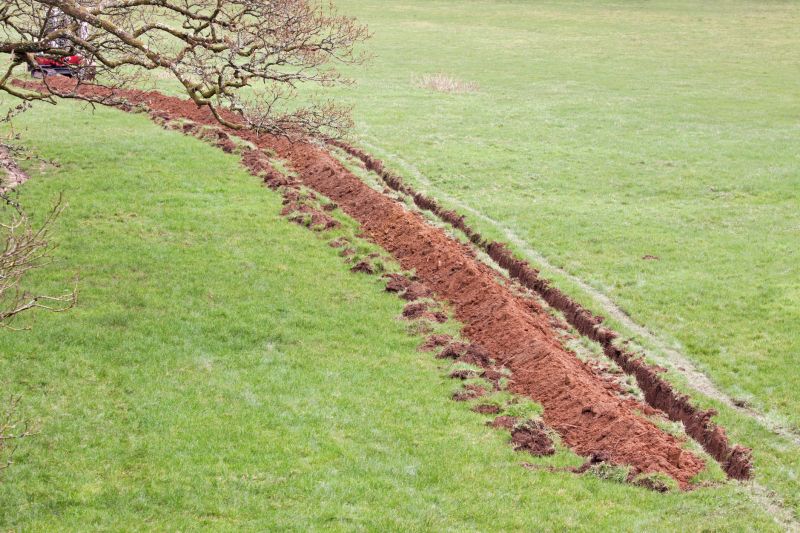
When comparing service providers for Swale installation, it’s important to consider their experience with similar projects. Homeowners should look for local contractors who have a proven track record of handling swale installations comparable in scope and complexity to the one needed. A contractor’s familiarity with local soil conditions, drainage requirements, and environmental considerations can be a strong indicator of their ability to deliver quality results. Gathering information about their past work on projects similar to yours can help ensure that the chosen provider has the practical knowledge necessary for a successful installation.
Clear, written expectations are essential when evaluating potential contractors. Homeowners should seek detailed proposals that outline the scope of work, materials to be used, and specific responsibilities of the service provider. Having a comprehensive understanding of what the project entails helps prevent misunderstandings and ensures that both parties are aligned on the desired outcome. Reputable local contractors will be transparent in their communication, providing documented plans or estimates that clarify the steps involved and the standards to be met.
Good communication and reputable references are key factors in selecting a reliable service provider. Homeowners are encouraged to ask for references from previous clients who have had similar work completed. Speaking with past customers can provide insights into the contractor’s professionalism, reliability, and quality of work. Additionally, a contractor’s responsiveness and willingness to answer questions throughout the process can be indicative of their commitment to customer satisfaction. Remember, this site introduces homeowners to local options, but the actual work will be handled by qualified service providers who can meet these important criteria.
Property owners use Swale Installation services for practical projects around their homes and businesses. This guide focuses on everyday jobs and straightforward project options.
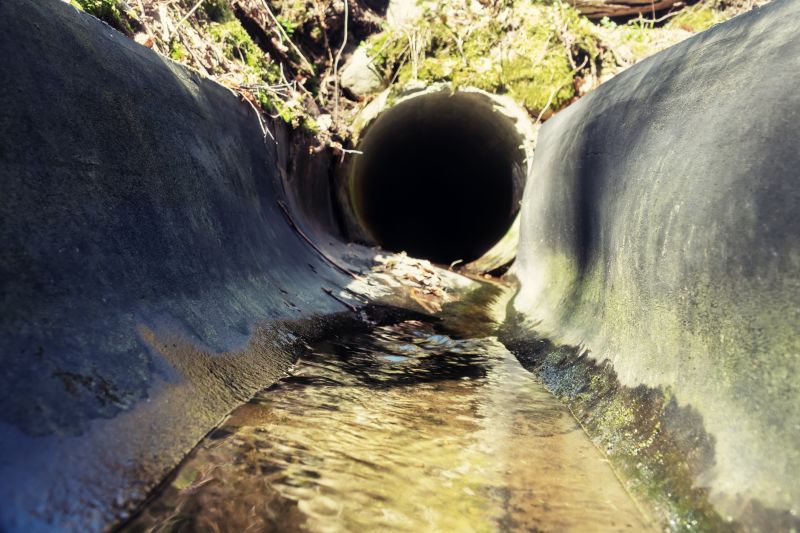
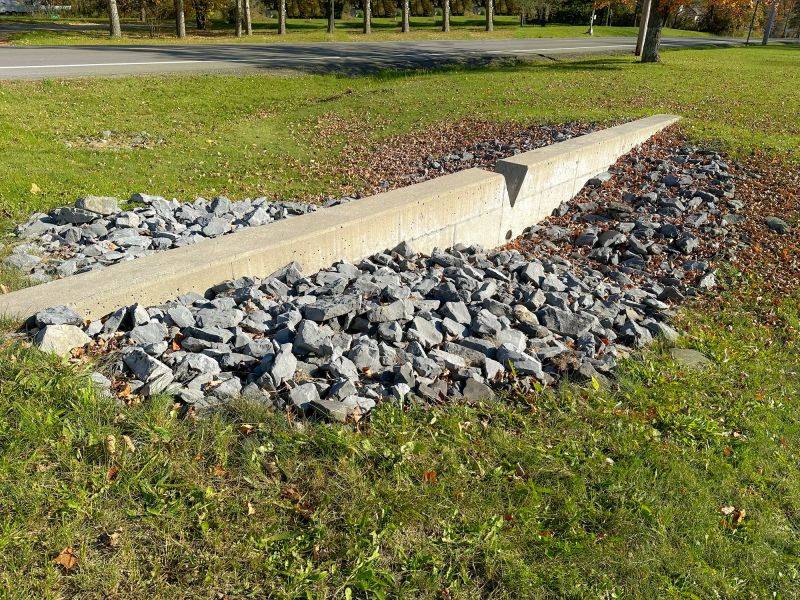
Swale property owners often seek professional installation services when upgrading or expanding their outdoor spaces. Whether it's adding a new driveway, pathway, or patio, local contractors can provide the expertise needed to complete these projects efficiently and effectively. These services are commonly requested during home improvements, renovations, or when preparing a property for better accessibility and curb appeal.
Many property owners also look for Swale installation services to address practical needs such as replacing worn-out surfaces or installing new features to enhance safety and functionality. Local service providers are equipped to handle a variety of installation tasks, helping homeowners and business owners maintain their properties and improve their overall appearance with reliable, professional support.
What are the benefits of installing a swale? Installing a swale helps manage stormwater runoff, prevent erosion, and improve drainage around a property, making it a practical solution for water control.
What types of materials are used for swale installation? Local contractors typically use materials like soil, gravel, or specialized liners, depending on the specific drainage needs and site conditions.
How does a professional install a swale? Experienced service providers assess the site, design an appropriate swale layout, and carefully excavate and shape the area to ensure proper water flow and stability.
Are there any regulations or permits needed for swale installation? Regulations vary by location; it’s recommended to check with local authorities or consult with service providers who are familiar with regional requirements.
What maintenance is required for a swale after installation? Regular inspection and minor upkeep, such as removing debris and ensuring proper flow, are typically needed to maintain the effectiveness of a swale.
Swale Installation for Garden Drainage - Property owners can improve outdoor spaces by installing swales to manage excess rainwater and prevent flooding.
Landscape Drainage Solutions - Local contractors can help set up swales to direct water away from foundations and walkways, protecting property structures.
Rainwater Management for Lawns - Swale installation can assist in controlling water flow to keep lawns healthy and reduce erosion after heavy rains.
Erosion Control with Swales - Installing swales can help property owners minimize soil erosion on slopes and uneven terrain.
If you are thinking about Swale Installation for a property, this guide is meant to help you understand the work, the typical project types, and how different options might fit your plans.
When you are ready, you can use the quote form on this page to share a few details about your project. From there, local pros can review the basics and respond with options that match what you have in mind.