Compare Local Contractors for Basement Drainage Services
Compare local contractors for basement drainage to define project scope, verify experience, and establish clear expectations for a successful repair.
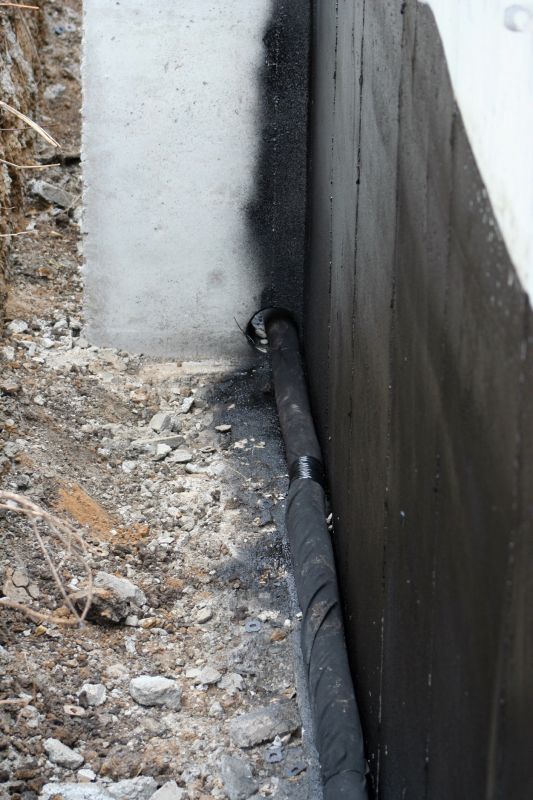
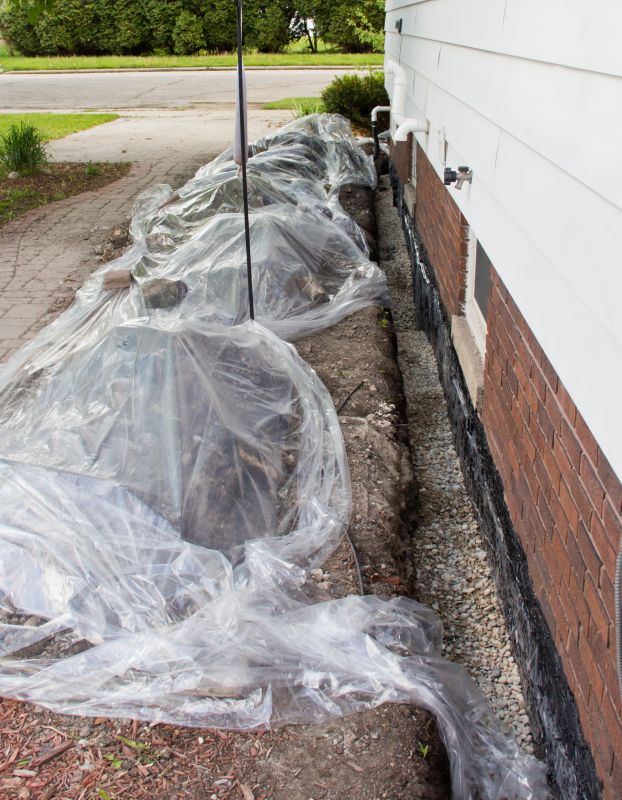
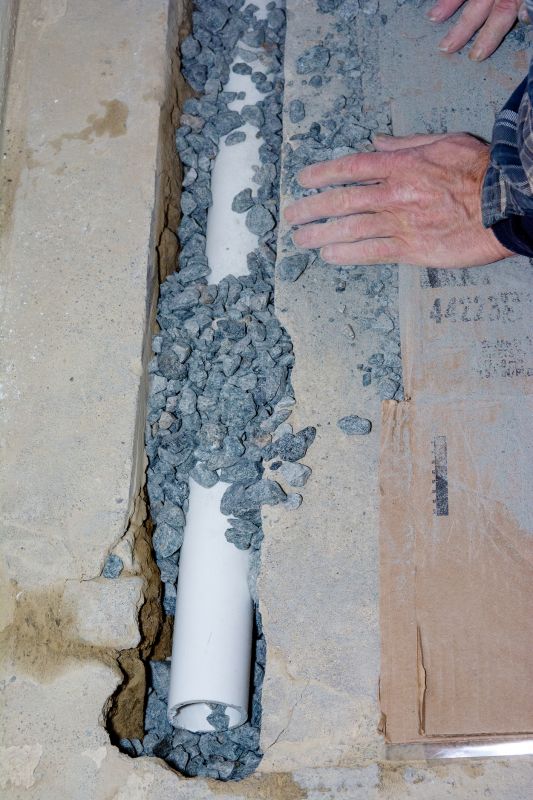
Basement drainage work typically involves installing, repairing, or upgrading systems designed to manage excess water and prevent flooding or moisture buildup. This can include the installation of sump pumps, drainage channels, or interior and exterior waterproofing measures. Properly addressing drainage issues is essential for maintaining a dry, stable basement environment, which can help protect the foundation and improve overall property condition. When choosing a contractor for this work, it’s important to clearly define the scope of the project to ensure all necessary tasks are included and expectations are aligned from the outset.
Defining the scope of basement drainage services matters because it helps avoid misunderstandings and ensures the work performed meets the specific needs of the property. A detailed scope should specify the types of drainage solutions to be implemented, the areas to be addressed, and any preparatory or follow-up work required. Having this information in writing can serve as a reference point throughout the project, reducing the risk of overlooked tasks or unexpected issues. Clear scope definition also assists property owners in evaluating whether a contractor’s proposed approach aligns with their goals and the unique conditions of their property.
Comparing local contractors for basement drainage services involves assessing their experience, reputation, and approach to defining project scope. Property owners can benefit from reviewing each service provider’s previous work, seeking references, and verifying their familiarity with the specific drainage challenges common in the area. It’s also advisable to ask potential contractors how they plan to approach the project and to request detailed written proposals that outline the scope of work. This process helps ensure that the selected service providers have the relevant expertise and share a clear understanding of the project’s requirements, leading to a more straightforward and predictable experience.
Compare local contractors by outlining project priorities, verifying experience, and establishing clear expectations in writing.
- Compare Contractor Experience - review the backgrounds and project history of local contractors to ensure relevant expertise.
- Define Project Scope - clearly outline the work needed to help contractors provide accurate proposals.
- Verify Credentials and References - check references and credentials to assess the quality of previous basement drainage projects.
- Document Expectations in Writing - establish detailed agreements to set clear expectations and prevent misunderstandings.
Compare local contractors by clearly defining your basement drainage project, verifying experience, and setting expectations in writing.
- Verify the contractor’s experience with basement drainage systems and similar projects. - Ensure the scope of work is clearly defined and documented in writing before starting the project.
- Compare multiple local contractors to assess their expertise and service offerings for drainage solutions. - Check for references or reviews related to basement drainage services to gauge reliability.
- Confirm that the contractor understands the specific drainage issues and provides a detailed plan of action. - Clarify what materials and methods will be used to address the drainage concerns.
- Ensure the scope of work, responsibilities, and project expectations are outlined in a written agreement. - Discuss and document any warranties or guarantees related to the drainage work.
- Assess the contractor’s familiarity with local building codes and regulations relevant to basement drainage. - Request proof of experience handling projects similar to the scope needed.
Compare local contractors, clarify project scope, verify experience, and set clear expectations in writing.
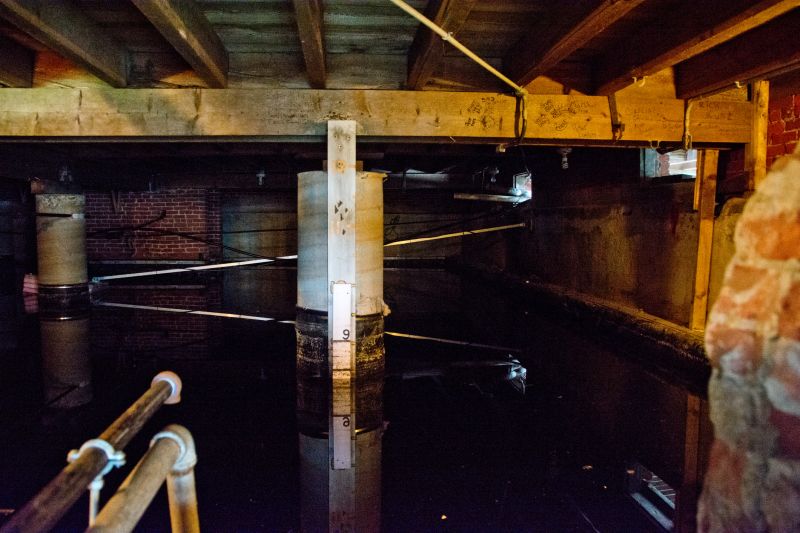
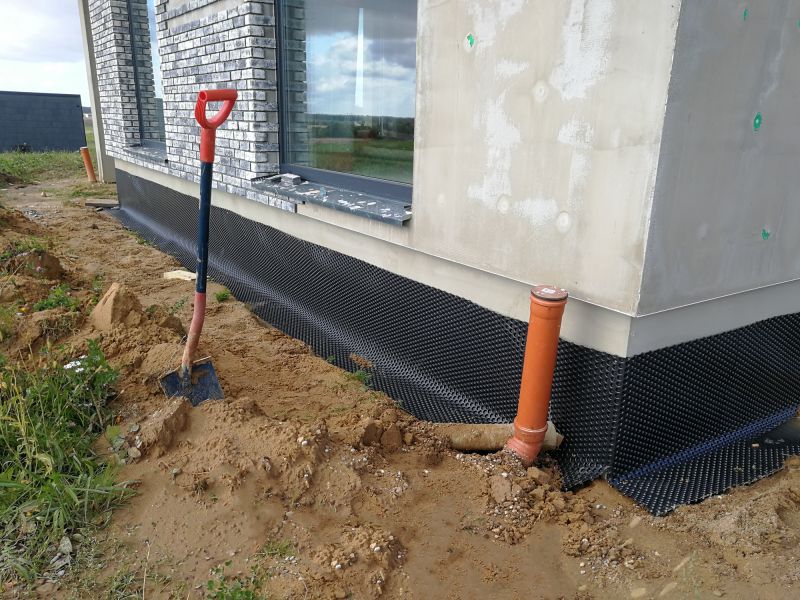
This section helps you compare local contractors, define project scope, verify experience, and set clear expectations in writing.
- Project Scope - Clearly define the specific drainage issues and the desired outcomes for the basement drainage system.
- Material and Method - Identify the types of materials and installation techniques that will be used by the service providers.
- Experience and Expertise - Verify the background and experience of local contractors in performing basement drainage services.
- Scope of Work in Writing - Ensure all project details, including responsibilities and deliverables, are documented in a formal agreement.
- Warranty and Follow-up - Establish expectations for service warranties and any necessary follow-up work to maintain drainage performance.
When comparing contractors for basement drainage services, it’s important to evaluate their experience with similar projects. Homeowners should seek service providers who have a proven track record in installing or repairing basement drainage systems comparable to the scope of their needs. Asking about previous work can help determine whether a contractor has handled projects of similar size and complexity, which can provide confidence in their ability to deliver satisfactory results.
A clear, written scope of work is essential when assessing different service providers. Homeowners should request detailed descriptions of the work to be performed, including the methods, materials, and specific tasks involved. This documentation helps ensure that all parties have aligned expectations and provides a reference point throughout the project, reducing the likelihood of misunderstandings or scope creep.
Verification basics are a key part of evaluating contractors. Homeowners should consider how service providers demonstrate their experience, such as through references, project portfolios, or client testimonials. Confirming that a contractor has successfully completed similar projects in the past can help verify their expertise. Additionally, understanding their approach to quality assurance and how they handle unforeseen issues can contribute to a more informed decision.
When comparing options, it’s advisable to focus on the quality of communication, the clarity of the scope, and the contractor’s ability to articulate their process. Homeowners should look for service providers who are transparent about their methods and willing to provide comprehensive information in writing. Carefully reviewing the scope of work, verifying their experience with similar projects, and assessing how well they communicate can help in choosing a reliable contractor suited to the specific needs of a basement drainage project.
Ask contractors to provide written scope details to ensure clear expectations and consistent project understanding.
- Experience and Credentials - What experience do the local contractors have with basement drainage systems similar to the scope of your project?
- Scope of Work - How do the service providers define and outline the specific tasks included in their basement drainage services?
- Materials and Methods - What types of drainage solutions and materials do the contractors typically recommend for comparable basement issues?
- Warranty and Guarantees - Do the local contractors provide written warranties or guarantees for their basement drainage work?
- Communication and Expectations - How do the service providers clarify project expectations and ensure understanding before starting the work?
How can I compare contractors for basement drainage services? It's helpful to review their experience, verify references, and ensure their scope of work aligns with project needs to make an informed comparison.
What should I consider when defining the scope of a basement drainage project? Clearly outline the specific drainage issues, areas to be addressed, and any desired outcomes to set accurate expectations with service providers.
How do I verify the experience of a contractor handling basement drainage? Ask for details about their past projects, request references, and check their track record with similar drainage systems to assess their expertise.
Why is it important to have the scope of work in writing? Having the scope documented helps prevent misunderstandings, ensures both parties agree on the work to be done, and provides a reference for project completion.
What questions should I ask service providers before hiring? Inquire about their experience with basement drainage, the methods they use, and how they plan to address your specific drainage concerns.
How can I ensure the contractor understands my basement drainage needs? Communicate your issues clearly, provide detailed information about the problem areas, and confirm that the scope of work matches your expectations before proceeding.
Understanding the essentials of basement drainage services can help in making informed decisions about hiring contractors. Visitors have learned how to define the scope of work, verify the experience of service providers, and set clear expectations in writing. Comparing local contractors through this platform enables homeowners to evaluate options effectively and select professionals who best match their project needs.
To explore and compare available service providers, using the quote form is a practical step. It allows homeowners to gather information on local contractors who can handle basement drainage projects, ensuring they have the details needed to make confident choices. Connecting with experienced professionals through this process can help in finding the right fit for specific project requirements.