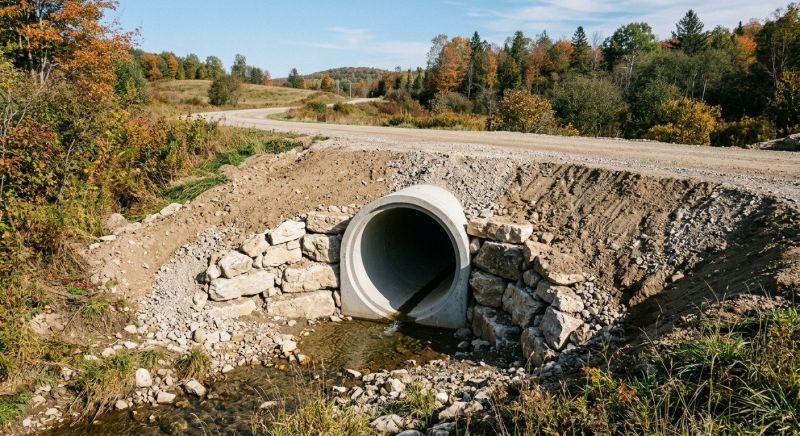
Drainage Culvert Installation in Birmingham, AL
Drainage culvert installation involves setting up underground structures designed to manage water flow across a property, helping to prevent flooding and erosion. This service is commonly requested for projects such as redirecting stormwater away from foundations, improving drainage in yards with poor water runoff, or installing culverts beneath driveways and pathways to ensure proper water movement. Property owners typically want to understand the types of materials used, the appropriate sizing for their specific land conditions, and how the installation will integrate with existing landscaping or infrastructure.
Before requesting drainage culvert installation, homeowners should consider the property’s topography, existing drainage issues, and any local regulations or permits that may be required. Understanding the scope of the project, including the length and diameter of culverts needed, helps in planning for effective water management. Clear communication about the desired outcomes, such as reducing standing water or protecting structures from water damage, can ensure the installation addresses the specific drainage challenges faced on the property.
Many property owners in Birmingham, AL look into Drainage Culvert Installation for repairs, replacements, upgrades, and appearance-related improvements.
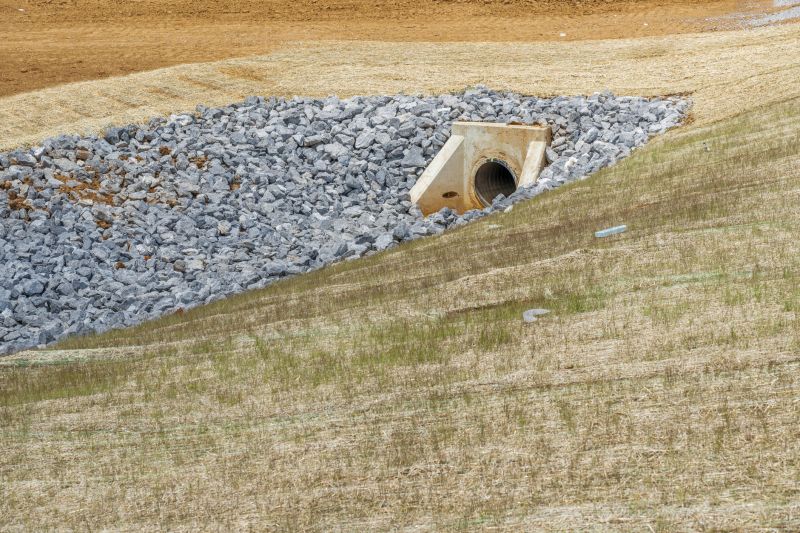
Drainage Culvert Design
Proper planning ensures effective water flow and prevents flooding on residential and commercial properties.
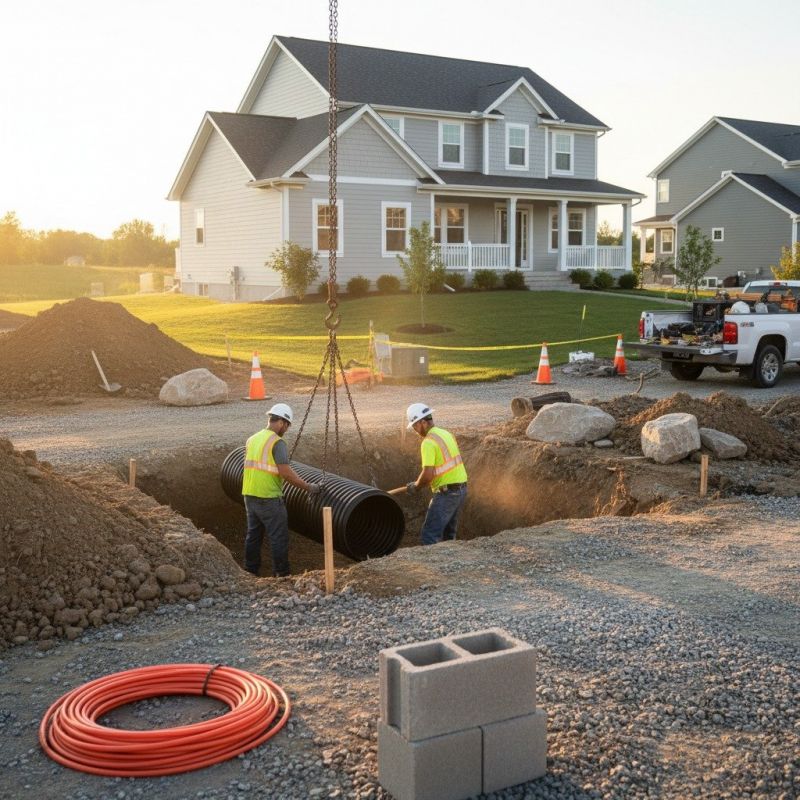
Culvert Installation Process
Installing durable culverts helps manage stormwater and improve landscape stability in birmingham and nearby areas.
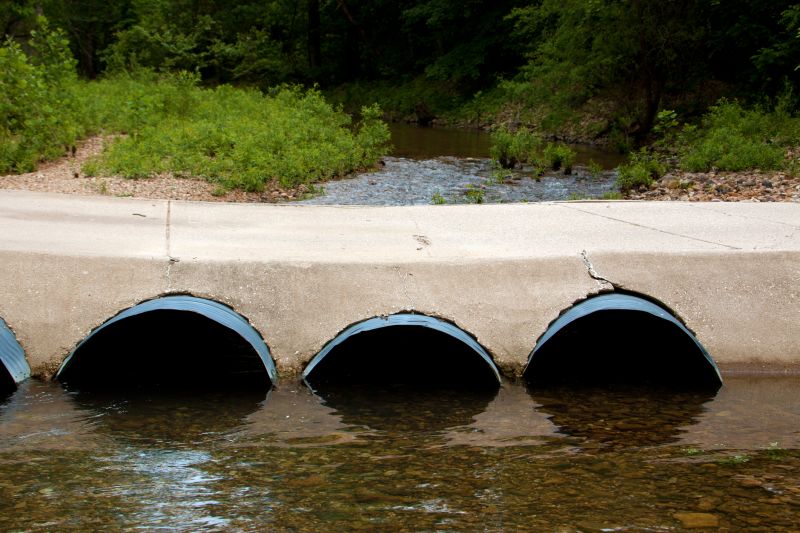
Maintenance And Inspection
Regular upkeep of drainage culverts extends their lifespan and maintains proper drainage performance over time.
Drainage Culvert Installation in Birmingham, AL
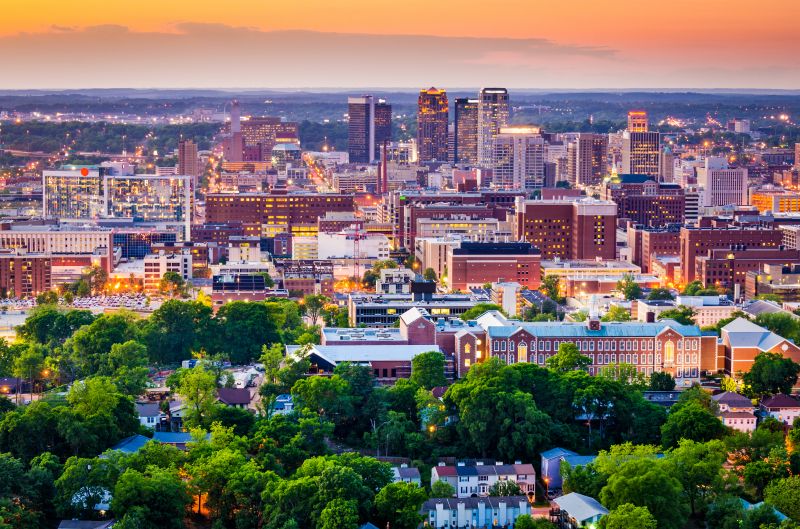
Drainage culvert installation involves setting up underground structures designed to manage water flow across a property, helping to prevent flooding and erosion. This service is commonly requested for projects such as redirecting stormwater away from foundations, improving drainage in yards with poor water runoff, or installing culverts beneath driveways and pathways to ensure proper water movement. Property owners typically want to understand the types of materials used, the appropriate sizing for their specific land conditions, and how the installation will integrate with existing landscaping or infrastructure.
Before requesting drainage culvert installation, homeowners should consider the property’s topography, existing drainage issues, and any local regulations or permits that may be required. Understanding the scope of the project, including the length and diameter of culverts needed, helps in planning for effective water management. Clear communication about the desired outcomes, such as reducing standing water or protecting structures from water damage, can ensure the installation addresses the specific drainage challenges faced on the property.
Many property owners in Birmingham, AL look into Drainage Culvert Installation for repairs, replacements, upgrades, and appearance-related improvements.
Common Drainage Culvert Installation Jobs
Drainage culvert installation helps direct water flow away from foundations and prevent flooding.
Underground culverts are installed to manage large volumes of water across driveways and lawns.
Perforated pipe culverts improve drainage in areas prone to standing water or erosion.
Concrete or metal culverts provide durable solutions for heavy water flow and high-traffic areas.
Grading and trenching are included to ensure proper slope and water runoff toward the culvert.
Property drainage solutions can be customized to fit specific landscape and water management needs.
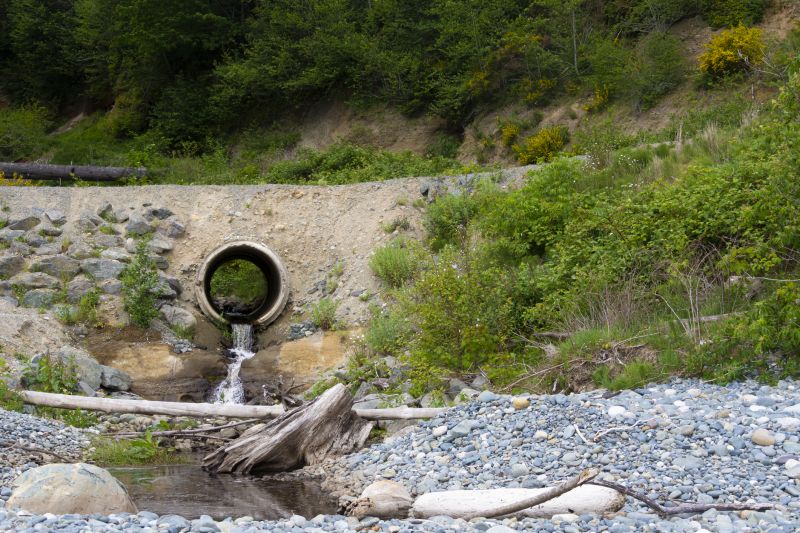
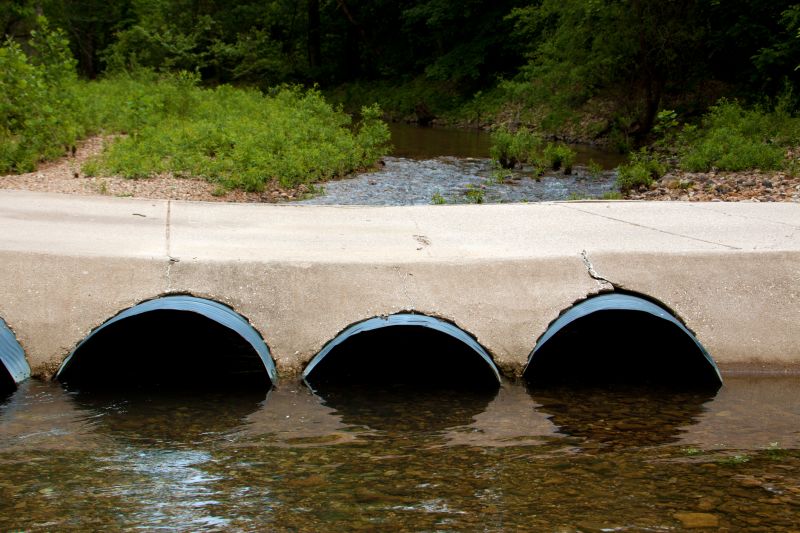
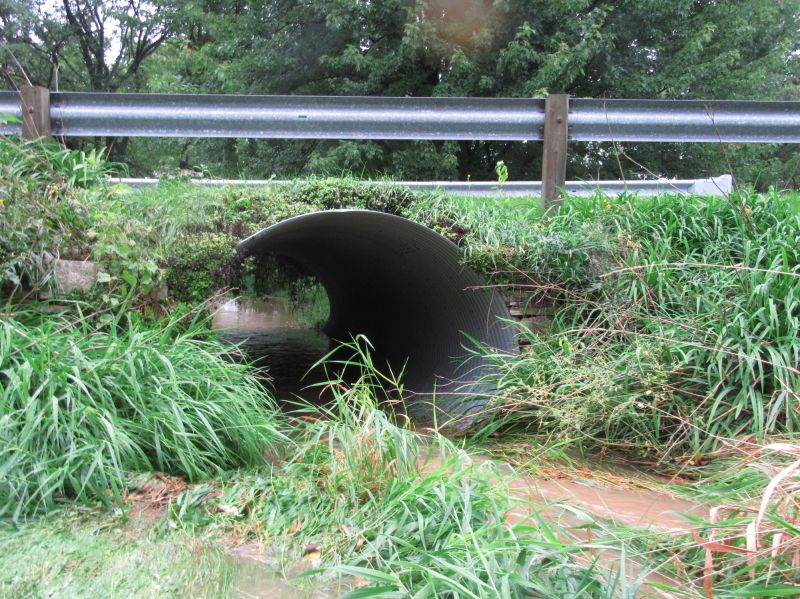
Drainage Culvert Installation Questions
What is a drainage culvert? A drainage culvert is a structure that allows water to flow under roads, driveways, or pathways, helping prevent flooding and erosion on a property.
When is installation of a drainage culvert necessary? Installation is needed when water runoff causes pooling, erosion, or damage to property features, especially in areas with poor natural drainage.
What types of culverts are commonly used? Common types include concrete, metal, and plastic pipes, selected based on the property’s drainage needs and site conditions.
What should property owners consider before installation? It’s important to evaluate the flow path, outlet location, and surrounding landscape to ensure proper drainage and prevent future issues.
Request Drainage Culvert Installation in Birmingham, AL
Use the quote form on this page to share the basics of your project and request more information for the type of work you need.